

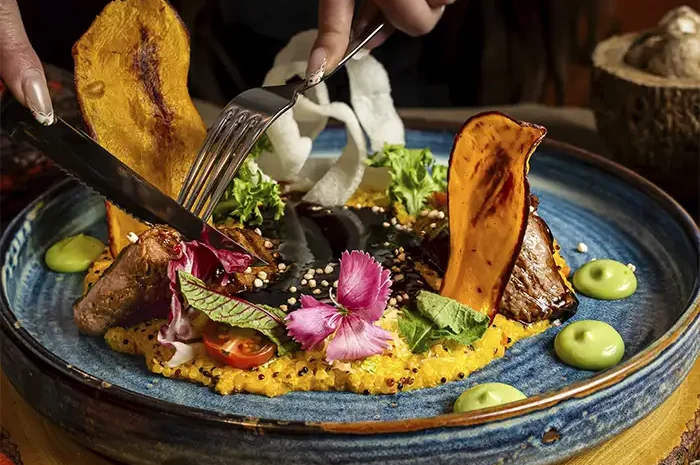
What does alpaca meat taste like? If you are visiting Peru, you may have seen alpacas grazing in the Andes or heard about their exceptionally soft wool. But in the Peruvian highlands, alpaca is also part of a longstanding culinary tradition.
Alpaca meat is known for its lean character, deep red color and distinctive savory flavor. For curious travelers, trying alpaca in Cusco can be a memorable introduction to ingredients that have been used in the Andes for generations.
In this guide, we explore the flavor of alpaca meat in Peru, its history, how it is prepared, and where to enjoy an alpaca dish near Cusco's Plaza de Armas.
What Is Alpaca Meat?
Alpaca meat comes from the alpaca, a domesticated South American camelid native to the Andes.
Alpacas are particularly associated with their valuable fiber, but they also have a long history as a source of food for communities in the Andean highlands.
Unlike beef or chicken, which many international visitors eat regularly, alpaca meat may be an unfamiliar ingredient. However, it is part of the broader history of Peruvian food.
Good to know: Alpacas and llamas are different species of Andean camelids. Both have played roles in traditional Andean life, but they are not the same animal.
What Does Alpaca Meat Taste Like?
Alpaca meat has a rich, savory flavor that some diners compare with lean beef or venison. Others notice a subtle, distinctive gamey note.
The exact flavor depends on the cut, the animal's age, the seasonings and how the meat is cooked.
A carefully prepared alpaca steak can have a satisfying texture without the heavy marbling associated with some beef cuts. Because it is lean, cooking technique makes a noticeable difference.
How Does Alpaca Compare with Other Meats?
Alpaca vs. Beef
Both are red meats, but alpaca is often leaner and may have a more distinctive flavor than familiar beef cuts.
Alpaca vs. Lamb
Both can have pronounced savory flavors, although alpaca does not have exactly the same flavor profile as lamb.
Alpaca vs. Venison
Some diners use venison as a comparison because of alpaca's lean texture and slightly gamey character.
These comparisons are general descriptions, not exact equivalents. Taste is subjective, and each preparation creates a different dining experience.
The History of Alpaca in Andean Cuisine
Alpacas have been part of Andean life since pre-Hispanic times. Their domestication is connected to the development of pastoral communities in the mountains of South America.
For generations, Andean communities have valued camelids for resources such as fiber and meat.
Camelid meat was consumed fresh or preserved by drying. This preservation tradition helped communities store food in the Andean environment.
What Is Charqui?
Charqui, also written as ch'arki, refers to a traditional form of dried meat.
Preserving meat through drying was an important technique in the Andes before modern refrigeration.
The history of llama and alpaca meat illustrates how Andean communities developed food traditions adapted to their geography and climate.
Alpaca connects the flavors of modern Peruvian cooking with the food traditions of the Andes.
Learn more about this history in the archaeological research article Llama and Alpaca: Andean Camelids and Their Pre-Hispanic Importance .
How Is Alpaca Meat Prepared in Peru?
In Peru, alpaca can be prepared using different culinary techniques. Traditional recipes and contemporary restaurant dishes highlight the ingredient in different ways.
Grilled Alpaca Steak
Alpaca loin can be grilled and served with sauces, vegetables or other accompaniments. This preparation allows diners to appreciate the meat's characteristic flavor and texture.
Traditional Andean Stews
Camelid meat has also been used in regional stews and soups, often alongside potatoes and other Andean ingredients.
Charqui
Dried camelid meat is part of a longstanding Andean preservation tradition and can be included in traditional dishes.
Contemporary Peruvian Cuisine
Some restaurants incorporate alpaca into modern recipes, including burgers and grilled dishes with creative sauces or regional side dishes.
Is Alpaca Meat Lean?
One of alpaca meat's notable characteristics is its relatively low intramuscular fat content.
Research on alpacas raised in Peru has examined the meat's fat content, protein composition, mineral profile and other quality characteristics.
A scientific study published in Meat Science identified low intramuscular fat in the alpaca loin samples examined.
You can read the scientific study on alpaca meat for more detail.
Important: Nutritional values depend on the cut, portion and preparation. A restaurant dish with sauce and side dishes does not have the same nutritional profile as a sample of lean meat.
Where to Try Alpaca at Kusykay in Cusco
At Kusykay Peruvian Craft Food, guests can discover alpaca through dishes that combine the ingredient with familiar and regional flavors.
The restaurant is located in Cusco's historic center, near Plaza de Armas.
Lomo de Alpaca al Oporto
A grilled alpaca loin served with a flavorful port sauce and quinotto prepared with ají amarillo, a distinctive Peruvian chili pepper.
This dish brings together alpaca meat and a contemporary presentation of Andean ingredients.
Explore the alpaca steakSuper Kusy Burger
Kusykay's Super Kusy Burger offers a choice of beef or alpaca.
It is an alternative for travelers who would like to experience alpaca in a more familiar burger preparation.
Explore the burgerThe steak and burger offer different ways to experience alpaca. If you are especially curious about the flavor of alpaca meat itself, a grilled preparation may be a good starting point.
Where to Eat Alpaca Meat Near Plaza de Armas in Cusco
Cusco is an excellent city for visitors interested in discovering the diversity of Peruvian cuisine.
From traditional Andean ingredients to modern interpretations, the city's restaurants offer travelers many opportunities to explore local food culture.
If you are looking for alpaca meat in Cusco, Kusykay is located on the second floor of Calle Triunfo 338 A, a short walk from Plaza de Armas.
Its menu includes Lomo de Alpaca al Oporto and the Super Kusy Burger with an alpaca option.
Browse the Kusykay restaurant menu to discover these and other Peruvian dishes.
What Should You Know Before Ordering?
If you have never eaten alpaca before, ask your server about the cooking style and presentation.
Also mention any allergies or dietary restrictions. The Lomo de Alpaca al Oporto is prepared with a port-based sauce, so guests avoiding alcohol should ask the team about the preparation.
You can also explore other traditional Peruvian dishes in our guide to what to eat in Cusco .
Frequently Asked Questions About Alpaca Meat
Do people eat alpaca in Peru?
Yes. Alpaca has been part of Andean food traditions for generations and is still served in some Peruvian restaurants and regional dishes.
What does alpaca meat taste like?
Alpaca meat is often described as rich, savory and lean. Some diners compare its flavor with lean beef or venison, although taste varies by cut and preparation.
Is alpaca meat similar to beef?
Both are red meats, and some people find similarities. Alpaca is generally lean and has its own distinctive flavor and texture.
Is alpaca meat the same as llama meat?
No. Alpacas and llamas are different Andean camelid species. Their meat can be used in regional cuisine, but they are not the same animal.
How is alpaca meat cooked?
Alpaca may be grilled, used in stews, preserved as dried meat or incorporated into contemporary dishes such as burgers.
Where can I eat alpaca steak in Cusco?
Kusykay Peruvian Craft Food near Plaza de Armas offers Lomo de Alpaca al Oporto, grilled alpaca loin with port sauce and yellow pepper quinotto.
Is alpaca meat spicy?
Alpaca meat itself is not spicy. The heat depends on the sauces and seasonings used in a particular recipe.
Discover Alpaca Meat at Kusykay
Interested in trying a distinctive Andean ingredient during your visit to Peru? Explore our grilled alpaca loin with port sauce and yellow pepper quinotto near Cusco's Plaza de Armas.
Explore Our Alpaca Dish